
In XOD field testing on electric scooter platforms such as KuKirin G2 Master, brake performance loss is rarely caused by a single issue. It is typically a system-level result of mechanical wear, cable instability, rotor condition, and caliper alignment drift over time.
In real riding conditions, many riders report that braking degradation does not appear suddenly. Instead, it develops gradually — the brake lever begins to feel softer, stopping distance becomes inconsistent, and confidence decreases during downhill or daily commuting use.
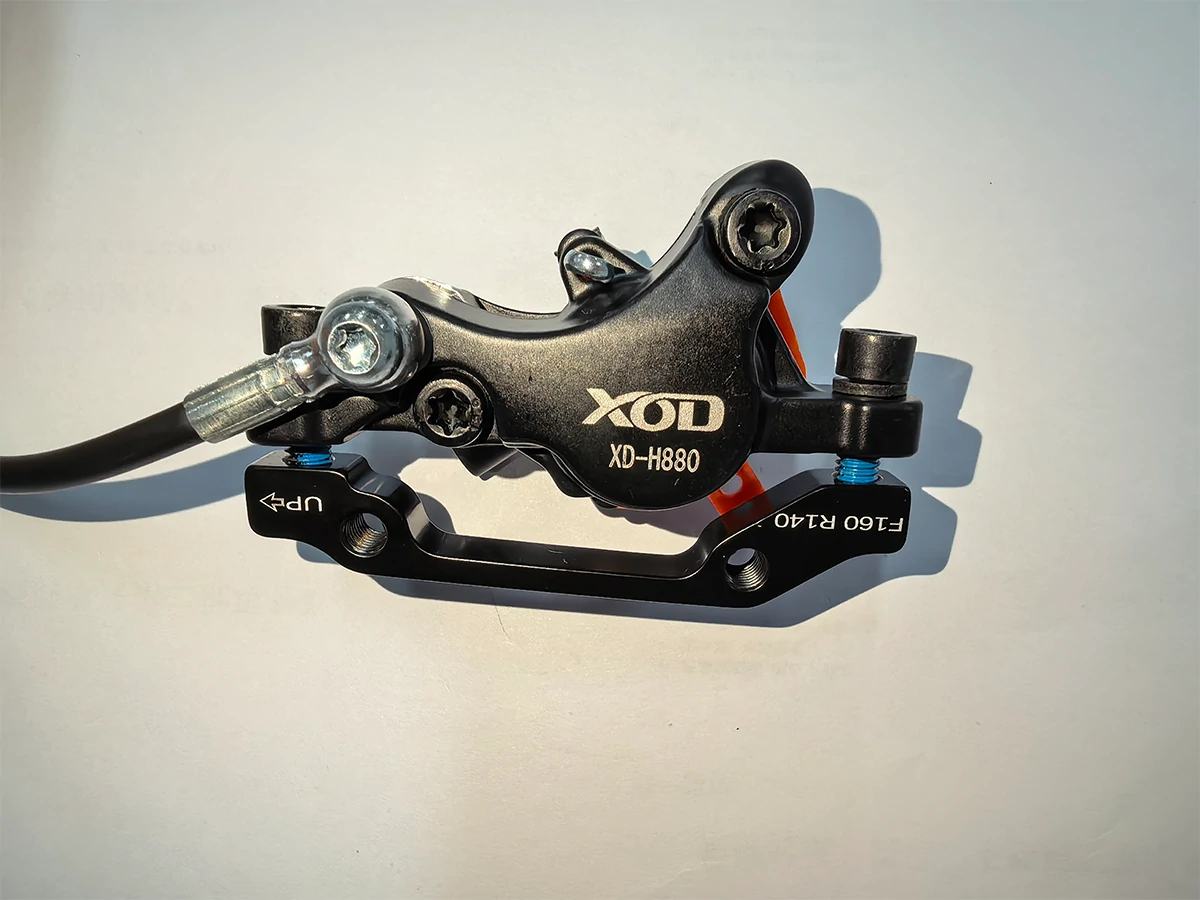
This guide is based on real XOD upgrade cases and rider feedback, explaining how to diagnose weak braking, identify root causes, and understand when a hydraulic upgrade such as XOD H880 becomes necessary.
⚡ XOD Field Diagnosis: Quick Answer
Weak braking performance is usually caused by worn brake pads, loose or stretched cables, dirty rotors, caliper misalignment, or mechanical system limitations.
In real use cases, these issues often appear together. Riders frequently report that even after basic adjustment, braking feel does not fully return to factory-level consistency.
👉 Not sure which brake fits your scooter? XOD H800 / H880 Fitment Guide
🔍 XOD Brake Weakness Diagnostic System
| Level | Condition | Impact |
|---|---|---|
| 1 | Cable instability | Delayed braking response under repeated use |
| 2 | Brake pad wear | Reduced friction and longer stopping distance |
| 3 | Rotor contamination | Inconsistent braking force and vibration |
| 4 | Caliper misalignment | Uneven braking pressure and rotor rubbing |
| 5 | Mechanical torque limitation | System-level braking weakness under high load |
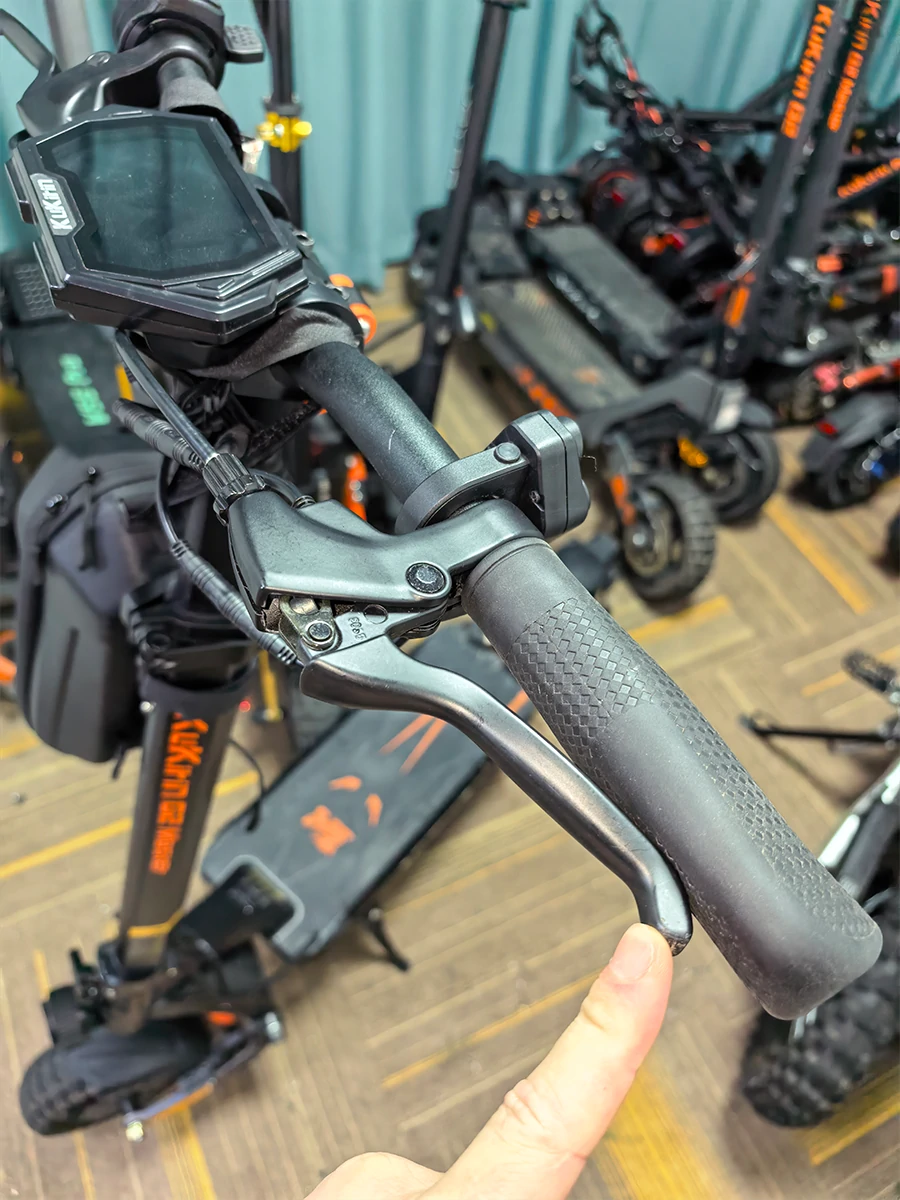
⚙️ Why Mechanical Brakes Lose Performance
In XOD field testing, mechanical disc brake systems on scooters such as KuKirin G2 Master gradually lose braking consistency due to cable-based force transmission and repeated mechanical stress.
Many riders describe this as a gradual process rather than sudden failure — the brake still works, but the feeling becomes less predictable over time, especially during downhill or high-speed riding.
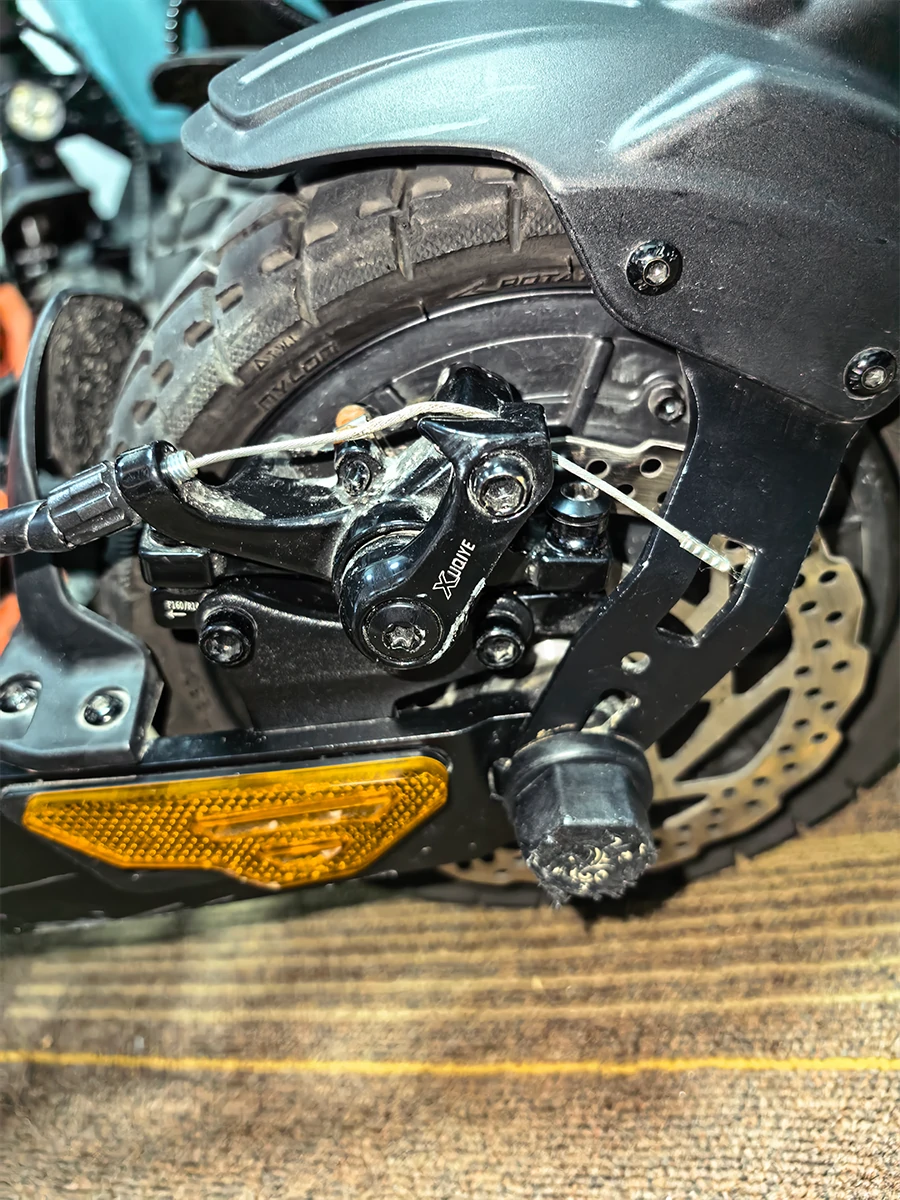
🆚 Mechanical vs Hydraulic Brake Systems
- Mechanical system: Cable-based force transfer affected by wear, stretch, and adjustment drift
- Hydraulic system: Fluid-based force transfer providing more stable braking consistency
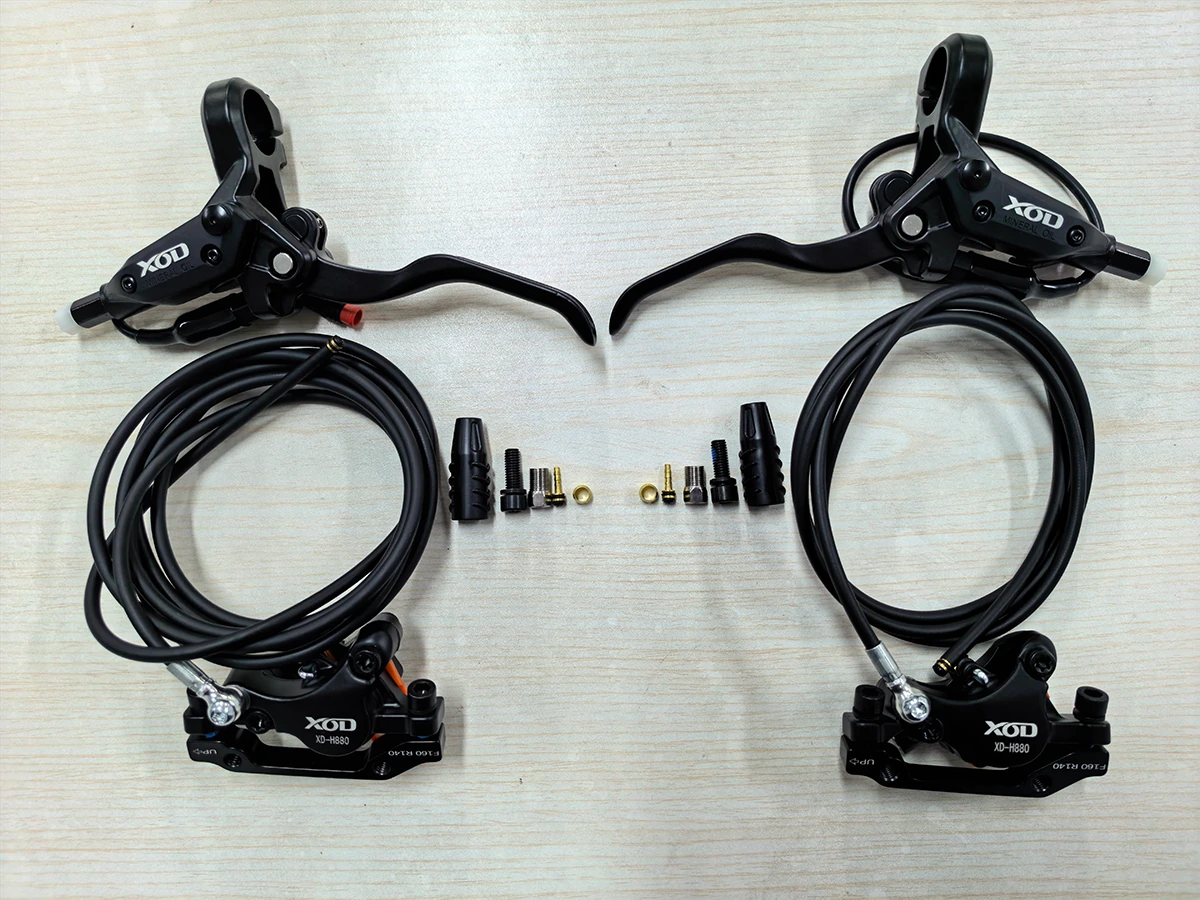
🔧 Real Rider Feedback (XOD Field Data)
In real KuKirin G2 Master rider feedback, the most common observation is not complete brake failure, but gradual loss of braking confidence over time.
Many riders report that the scooter feels reliable when new, but after extended use, braking distance becomes less predictable during emergency stops or downhill riding.
“Everything still works, but I no longer trust the braking feel like before.”
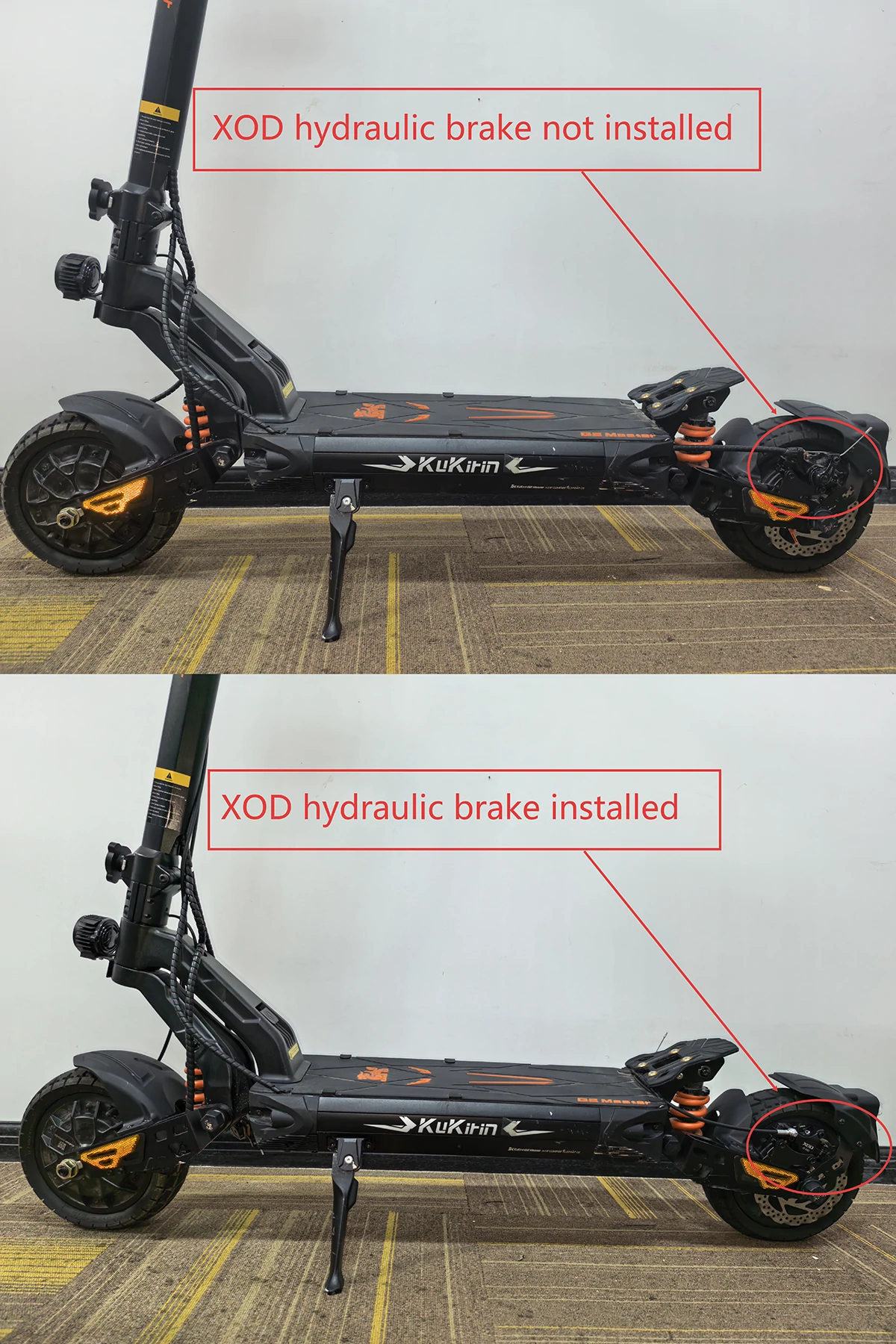
This type of feedback is one of the key reasons riders consider upgrading to hydraulic systems such as XOD H880.
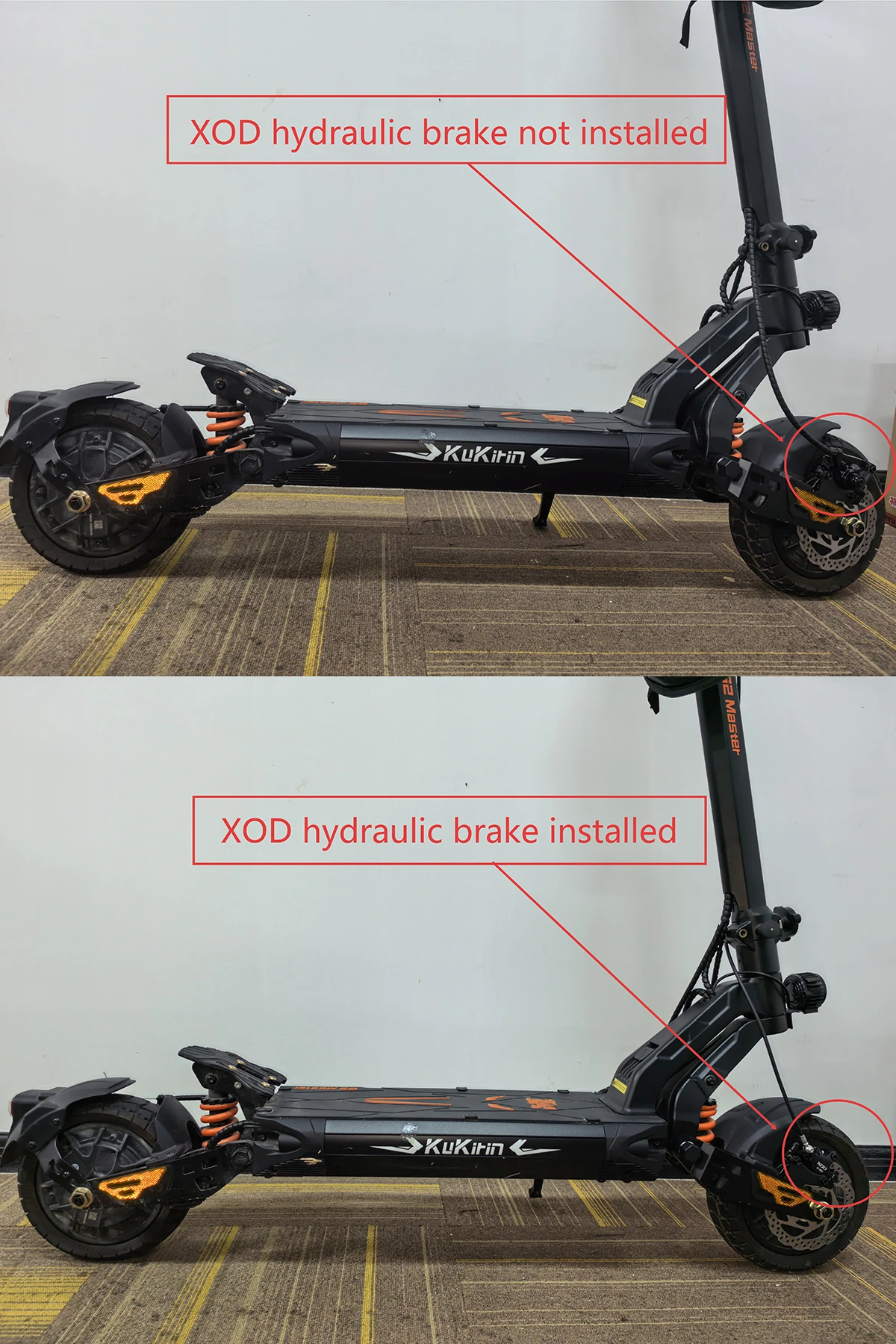
🚀 When Should You Upgrade?
A hydraulic upgrade is recommended when braking performance can no longer be restored through standard adjustment or maintenance.
- Brake lever travel remains excessive after adjustment
- Stopping distance increases under load conditions
- Frequent cable adjustment is required
- High-power or dual-motor scooter usage
- Noticeable loss of braking consistency over time
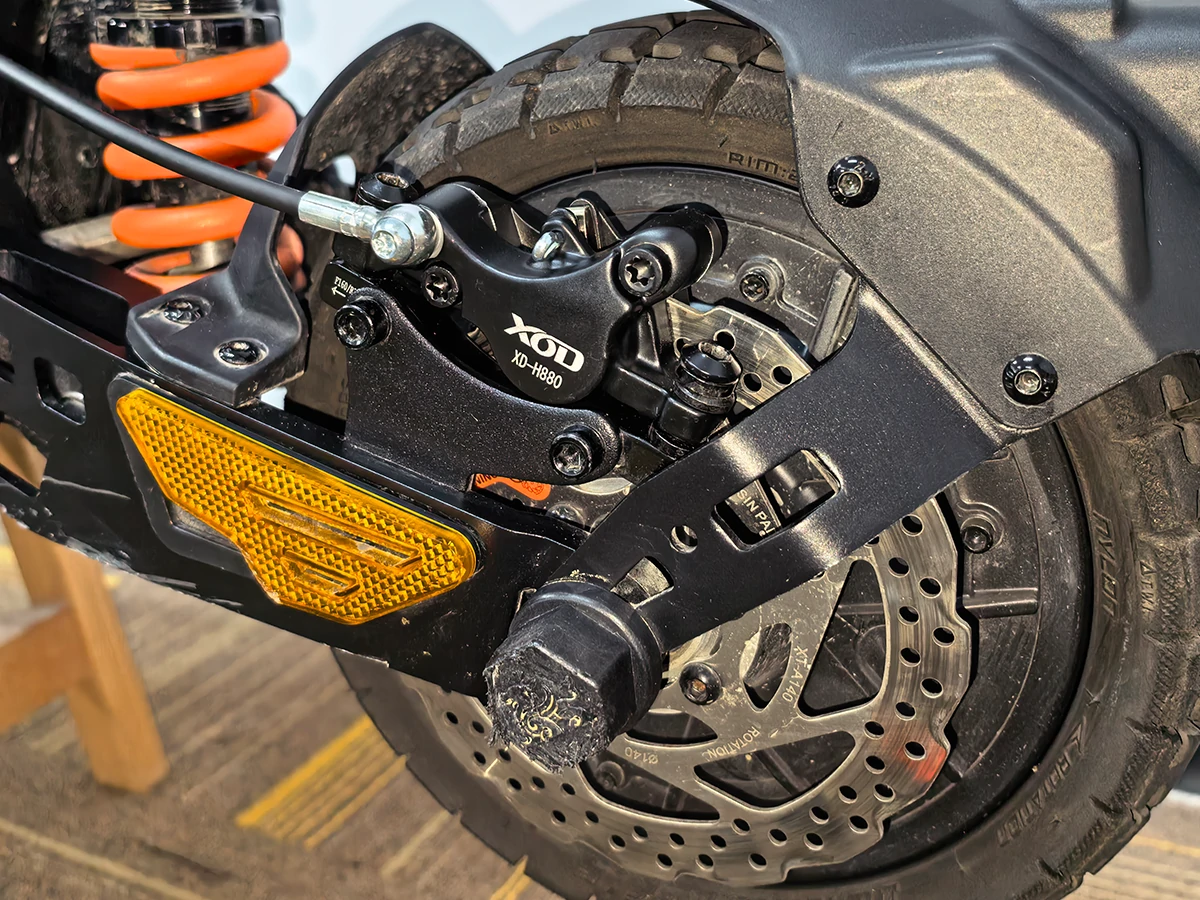
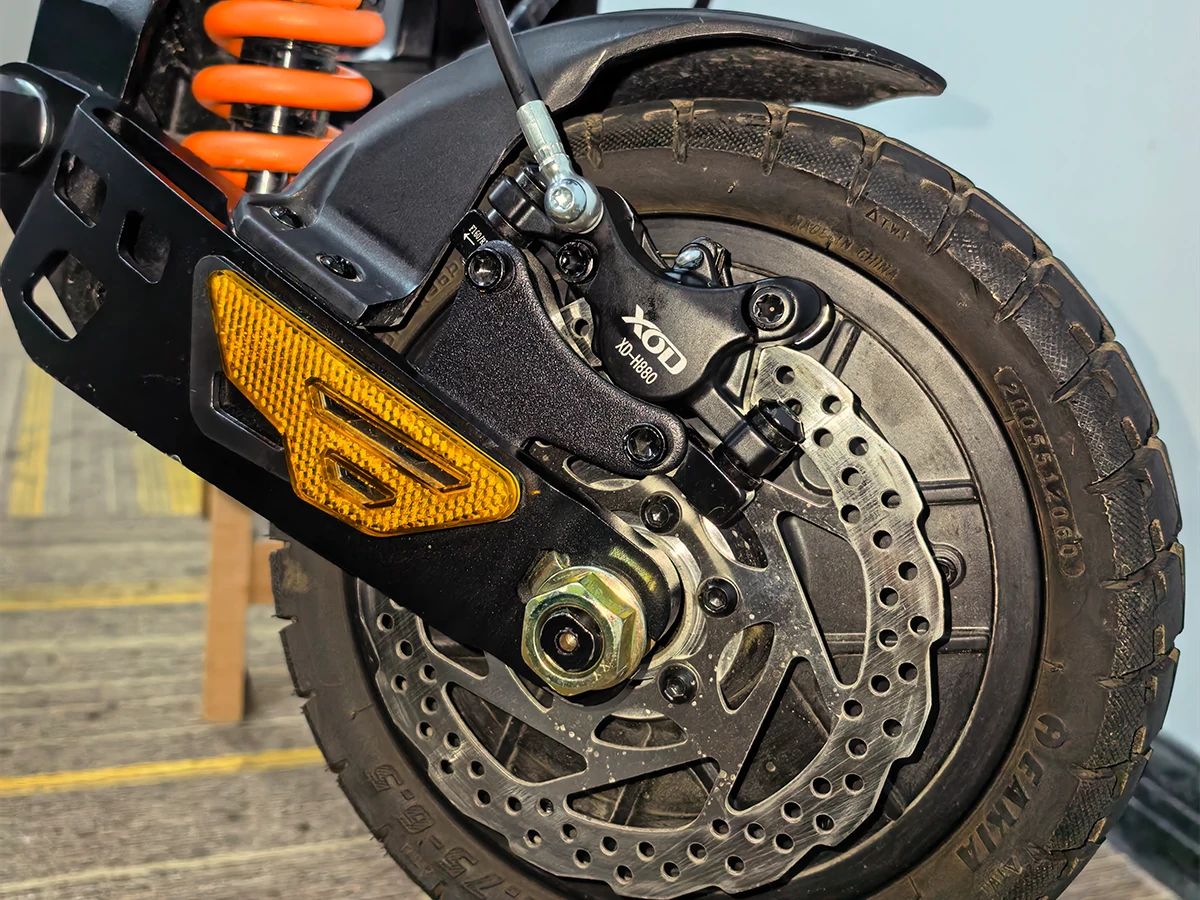
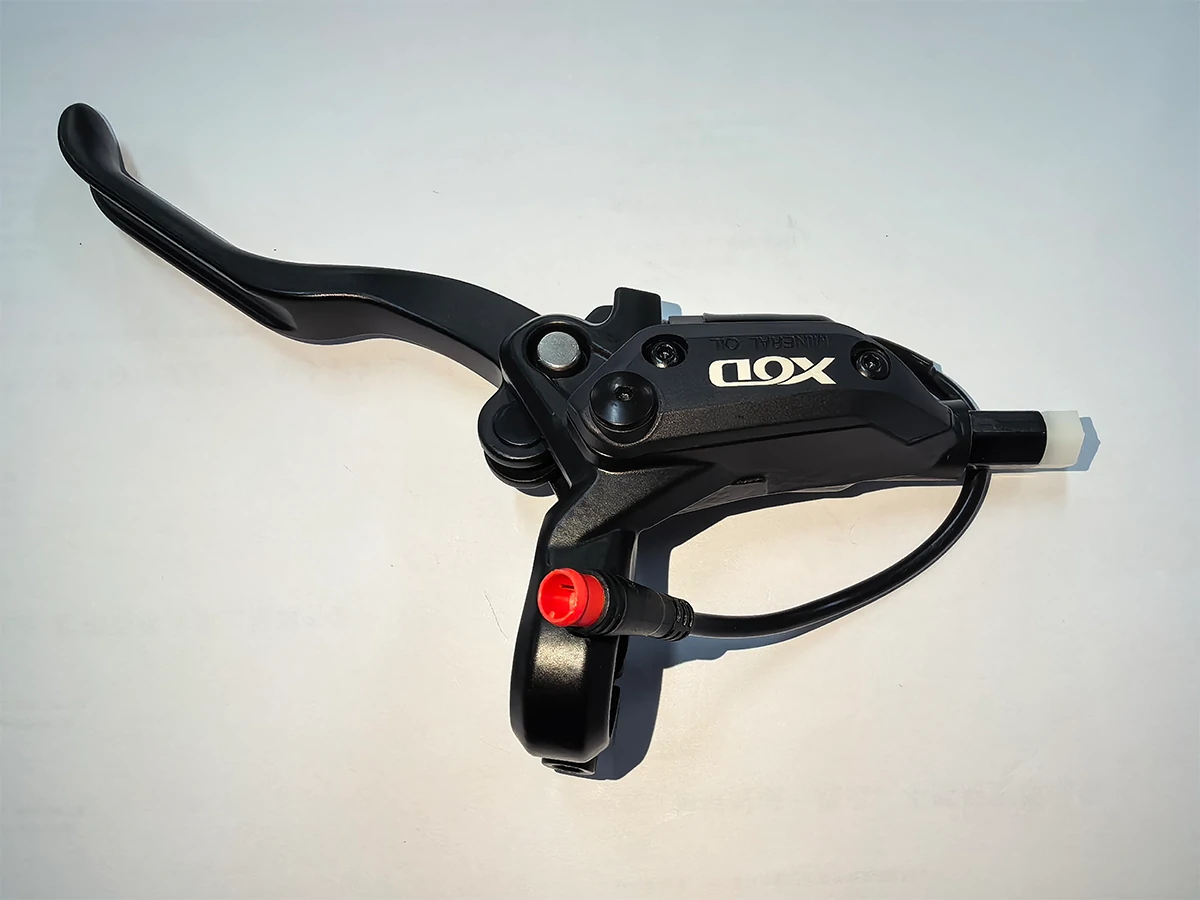
In these situations, upgrading to XOD H880 is not just a performance upgrade, but a stability improvement for daily riding safety.
❓ FAQ
Why do electric scooter brakes feel weak?
Usually caused by cable wear, pad degradation, rotor contamination, or system limitations.
Are hydraulic brakes better?
Yes, hydraulic systems provide more stable braking performance under load conditions.
When should I upgrade?
When braking consistency cannot be restored through maintenance or adjustment.