
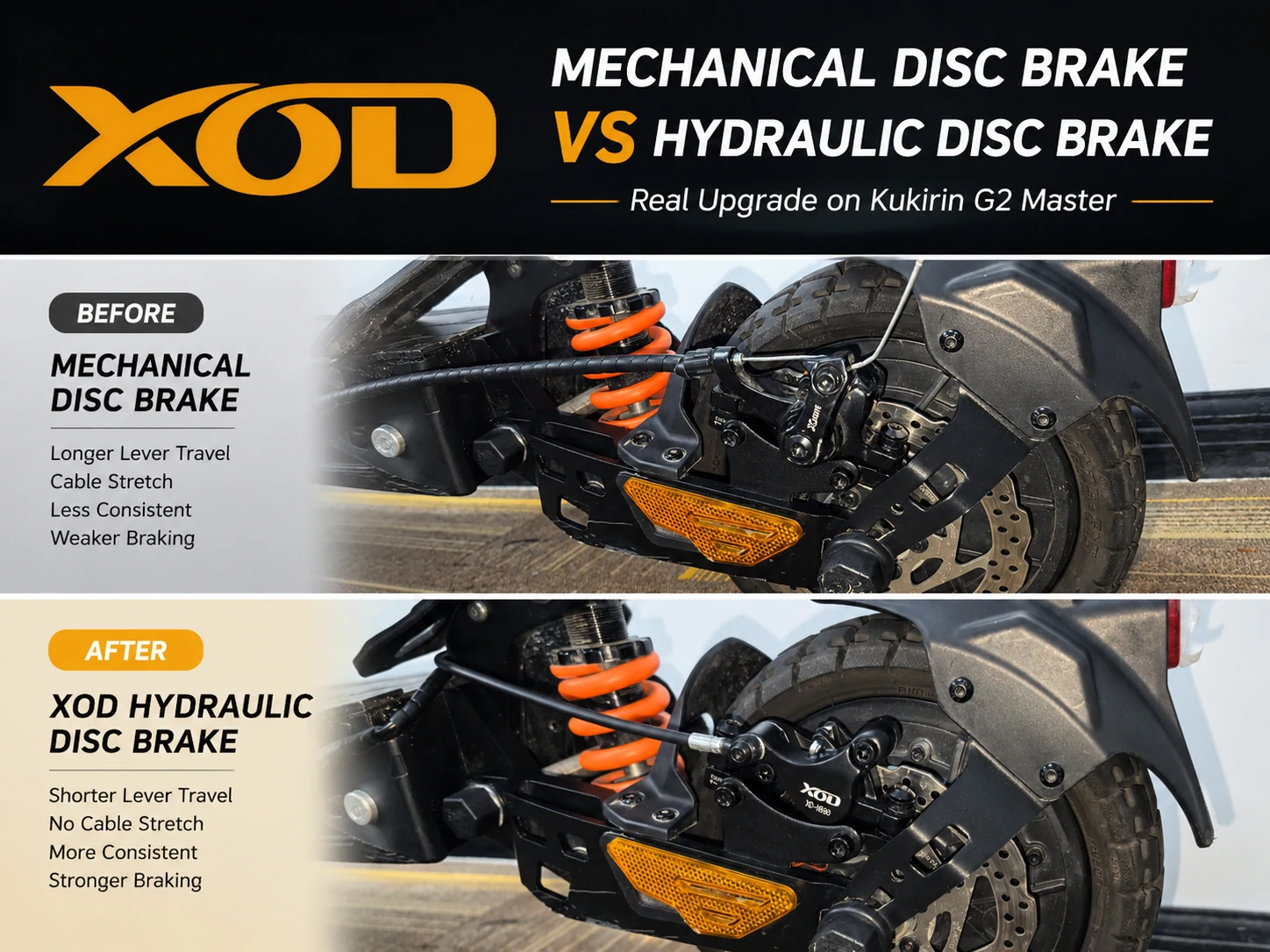
For light, low-speed electric scooters, mechanical disc brakes can be enough. For heavier, faster or daily-use scooters, hydraulic disc brakes usually provide smoother control and more consistent braking feel.
The real problem is not that mechanical brakes suddenly stop working. More often, they slowly stop feeling predictable — the lever pulls deeper, stopping distance changes, and the rider starts losing confidence.
⚡ Quick Answer
Mechanical disc brakes are simple and affordable, but they rely on cable tension. Hydraulic disc brakes use fluid pressure, which usually gives heavier electric scooters a more stable lever feel and stronger braking response.
If your scooter is heavy, high-powered, used for commuting, or your brake lever keeps pulling too far, a hydraulic upgrade such as XOD H880 is worth considering.
In this guide, we will explain the difference in plain language, show when mechanical brakes are still enough, and help you decide when upgrading to XOD hydraulic brakes makes sense.
🧠 First, Let’s Clear Up a Common Confusion
Many riders search for “hydraulic brake vs disc brake,” but that question mixes two different ideas.
A disc brake describes the braking structure: brake pads clamp onto a rotor. Mechanical or hydraulic describes how force travels from the brake lever to the caliper.
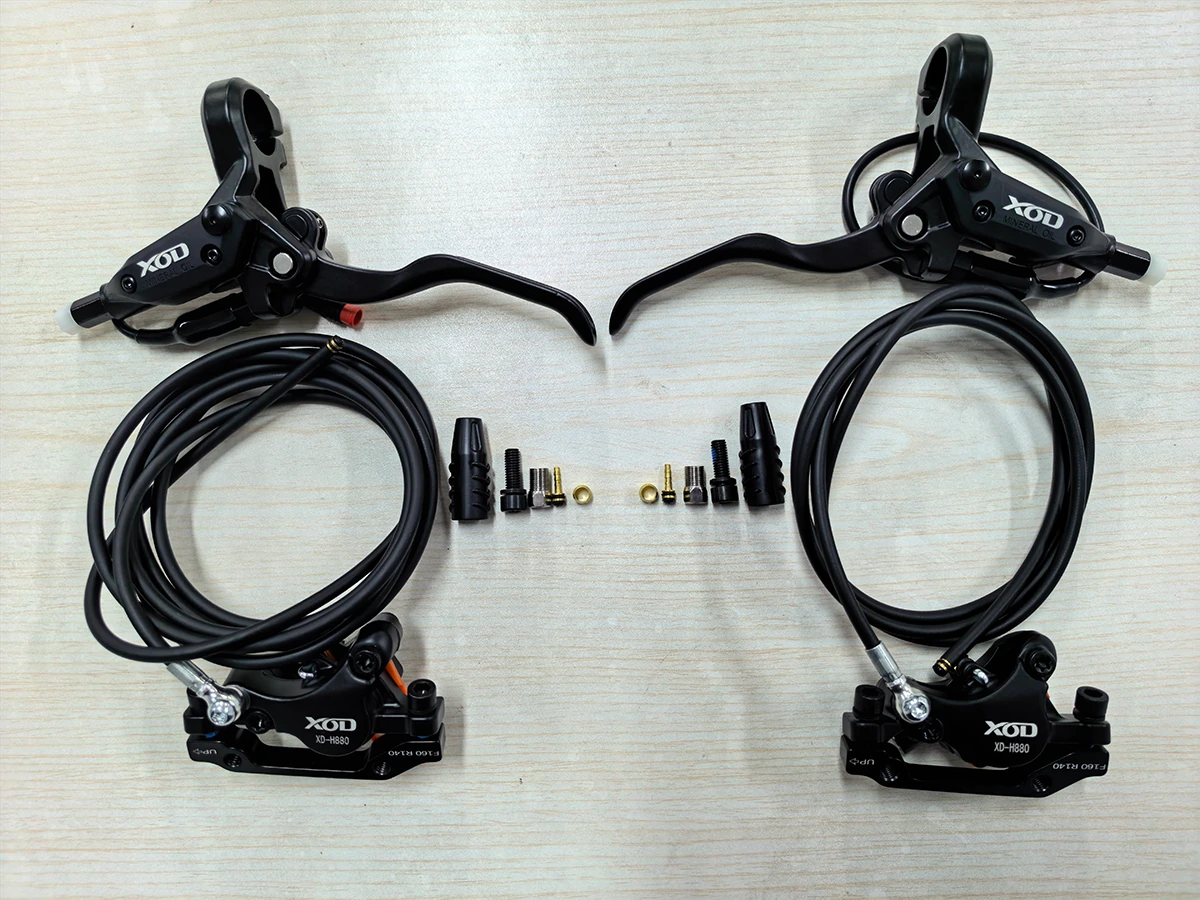
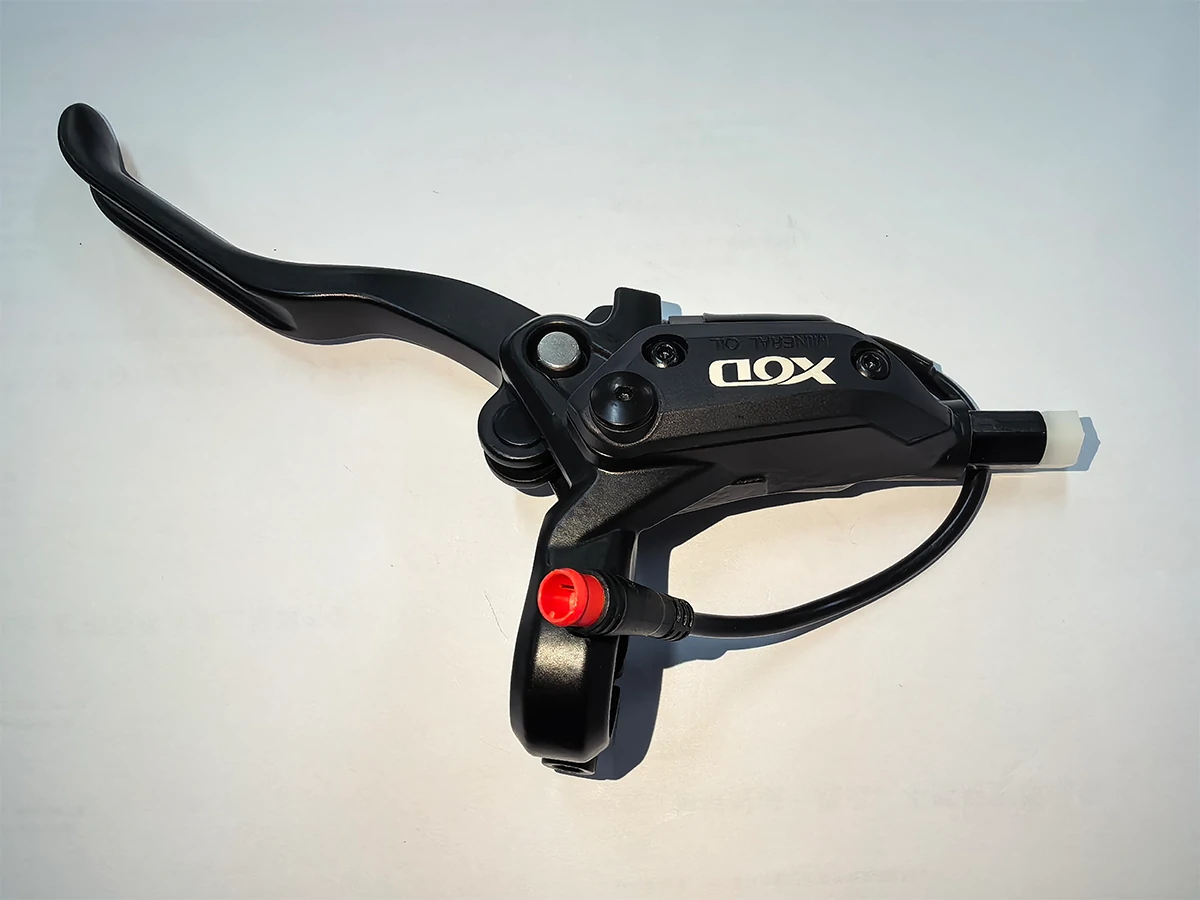
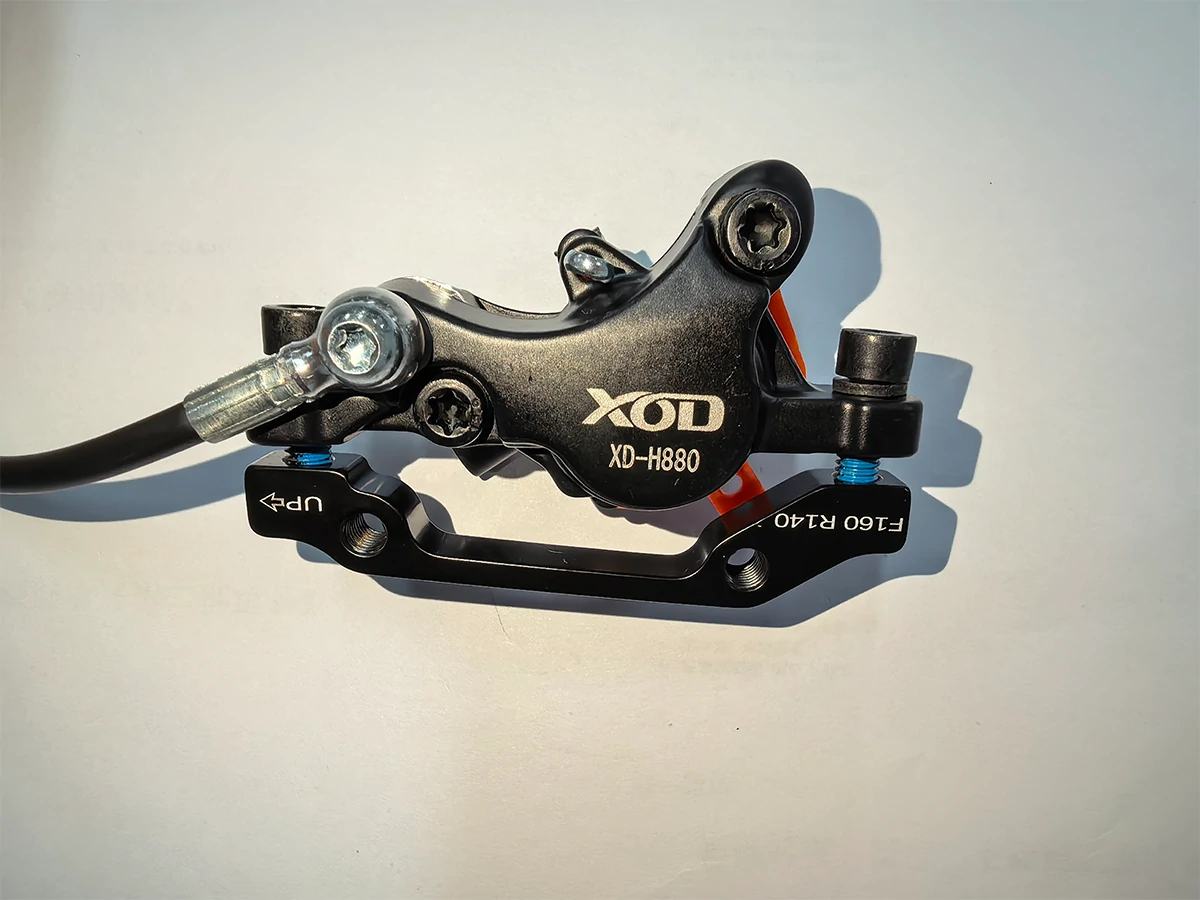
In other words, many electric scooters use either mechanical disc brakes or hydraulic disc brakes. XOD H-Series systems are hydraulic disc brake upgrades, designed to replace weaker or less consistent mechanical setups on compatible electric scooters.
🔧 How Mechanical Disc Brakes Feel in Real Scooter Use
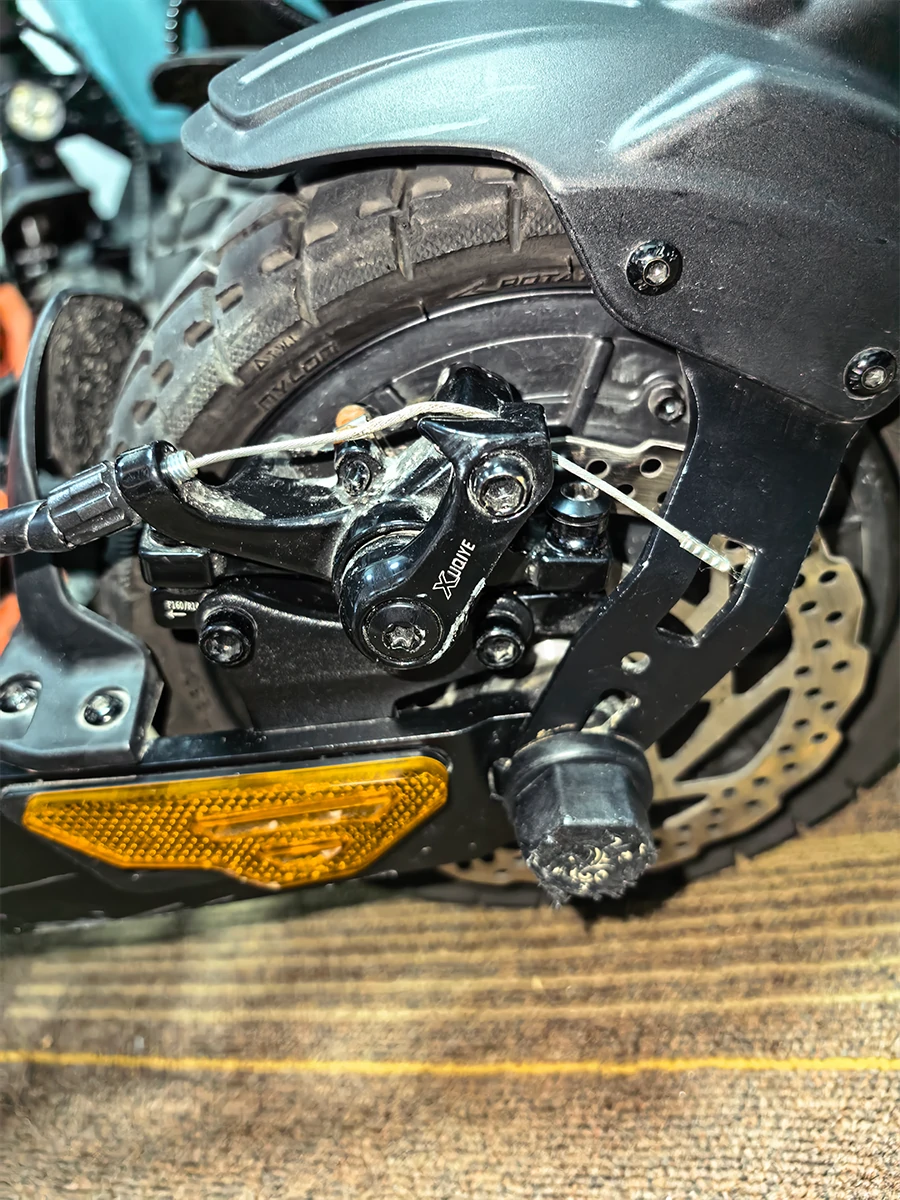
Mechanical disc brakes use a steel cable. When you pull the brake lever, the cable pulls the caliper, and the caliper presses the brake pads against the rotor.
This system is simple, affordable and easy to understand. That is why many electric scooters come with mechanical disc brakes from the factory. The problem is that cable-based systems change over time. The cable can stretch, the housing can add friction, and pad wear can make the lever travel farther than before.
This is the feeling many riders describe as “my brakes still work, but they do not feel as sharp as before.”
⚠️ Common Mechanical Brake Problems Riders Notice
From real XOD upgrade cases, riders usually do not complain about one single issue. They often describe a combination of small changes that add up over time.
- The brake lever pulls deeper than before.
- The scooter takes longer to stop.
- The brake feels different after every adjustment.
- The rotor rubs or makes noise after riding.
- The rider feels less confident during downhill or emergency braking.
These problems do not always mean the brake is broken. They often mean the mechanical brake system is reaching its practical limit for that scooter and riding style.
💧 How Hydraulic Disc Brakes Work
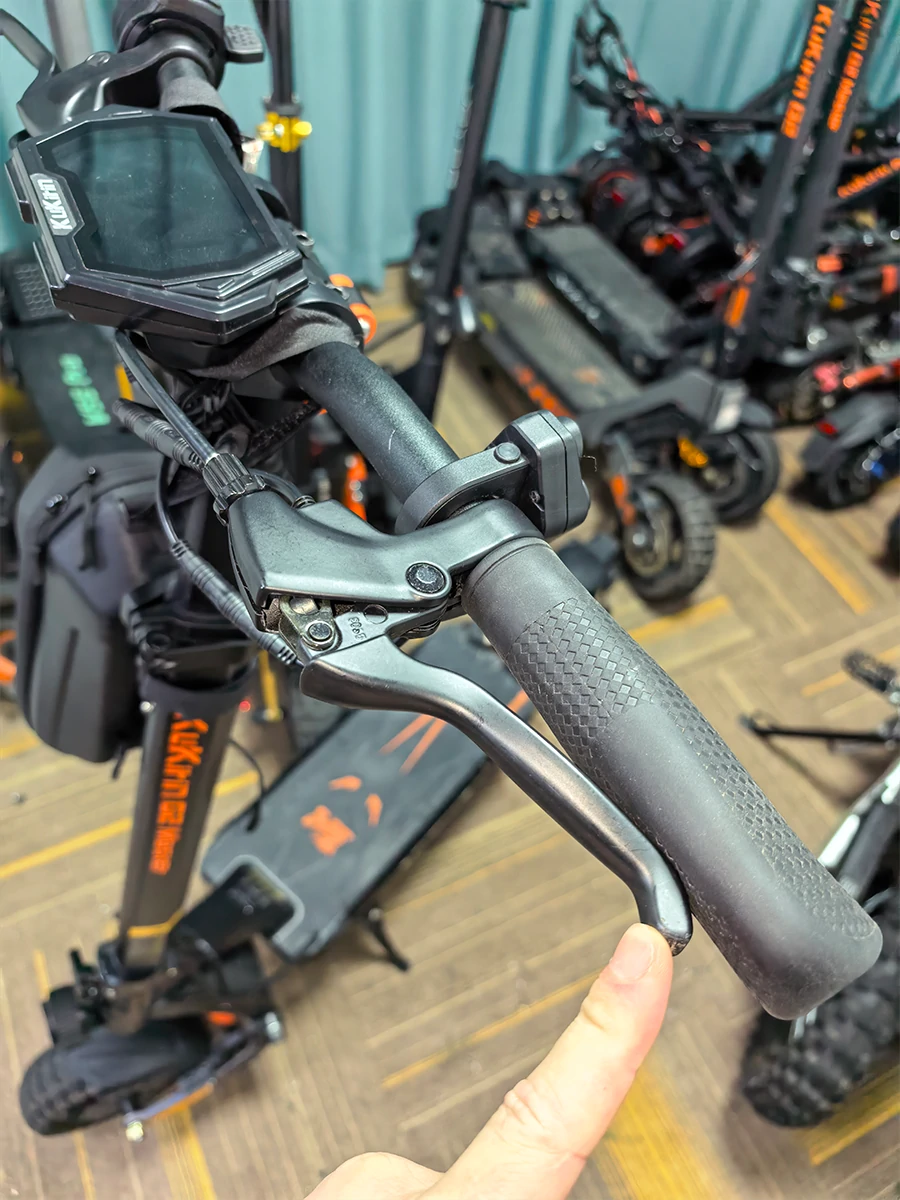
Hydraulic disc brakes use fluid pressure instead of a steel cable. When you press the brake lever, pressure moves through the hydraulic hose and pushes the pistons inside the caliper. The pistons press the brake pads against the rotor.
The result is a more direct and more consistent braking feel. There is no brake cable stretching in the same way as a mechanical system, so the lever feel usually remains more stable under repeated riding conditions.
For heavier electric scooters, this difference becomes more noticeable because more weight, higher speed and stronger motors all place more demand on the braking system.
🆚 Mechanical Disc Brakes vs Hydraulic Disc Brakes
The easiest way to understand the difference is not by looking at the parts, but by thinking about how the brake feels after real riding.
| Feature | Mechanical Disc Brakes | Hydraulic Disc Brakes |
|---|---|---|
| Force transfer | Brake cable tension | Hydraulic fluid pressure |
| Lever feel | Can change as the cable stretches | Usually more consistent |
| Adjustment | Needs more frequent cable adjustment | Less frequent cable-style adjustment |
| Braking response | Depends heavily on cable condition | More direct hydraulic response |
| Maintenance | Simple basic maintenance | Requires hydraulic system checks |
| Best for | Light scooters and short rides | Heavy, fast or high-power scooters |
| Upgrade value | Lower cost | Better control and consistency |
🟢 When Mechanical Disc Brakes Are Still Enough
A hydraulic upgrade is not always necessary. A well-adjusted mechanical disc brake can still be enough for light scooters, lower-speed riding and short daily trips.
Mechanical disc brakes may be a reasonable choice if your scooter is light, your riding speed is moderate, you do not often ride downhill, and you are comfortable adjusting the brake cable when needed.
This is important because a good brake choice is not about buying the most advanced system. It is about matching the brake system to the scooter, the rider and the riding environment.
🔥 When Hydraulic Brakes Are Worth Upgrading
Hydraulic brakes become more valuable when the scooter is heavier, faster or used more often. This is where many riders start to feel the limit of mechanical disc brakes.
- Your brake lever keeps pulling too far even after adjustment.
- Your scooter is heavy, high-powered or dual-motor.
- You ride downhill or in stop-and-go traffic often.
- You need to adjust the cable frequently.
- Your stopping distance feels longer than before.
- You want smoother and more predictable braking control.
In these situations, hydraulic brakes are not just a performance upgrade. They are a control upgrade.
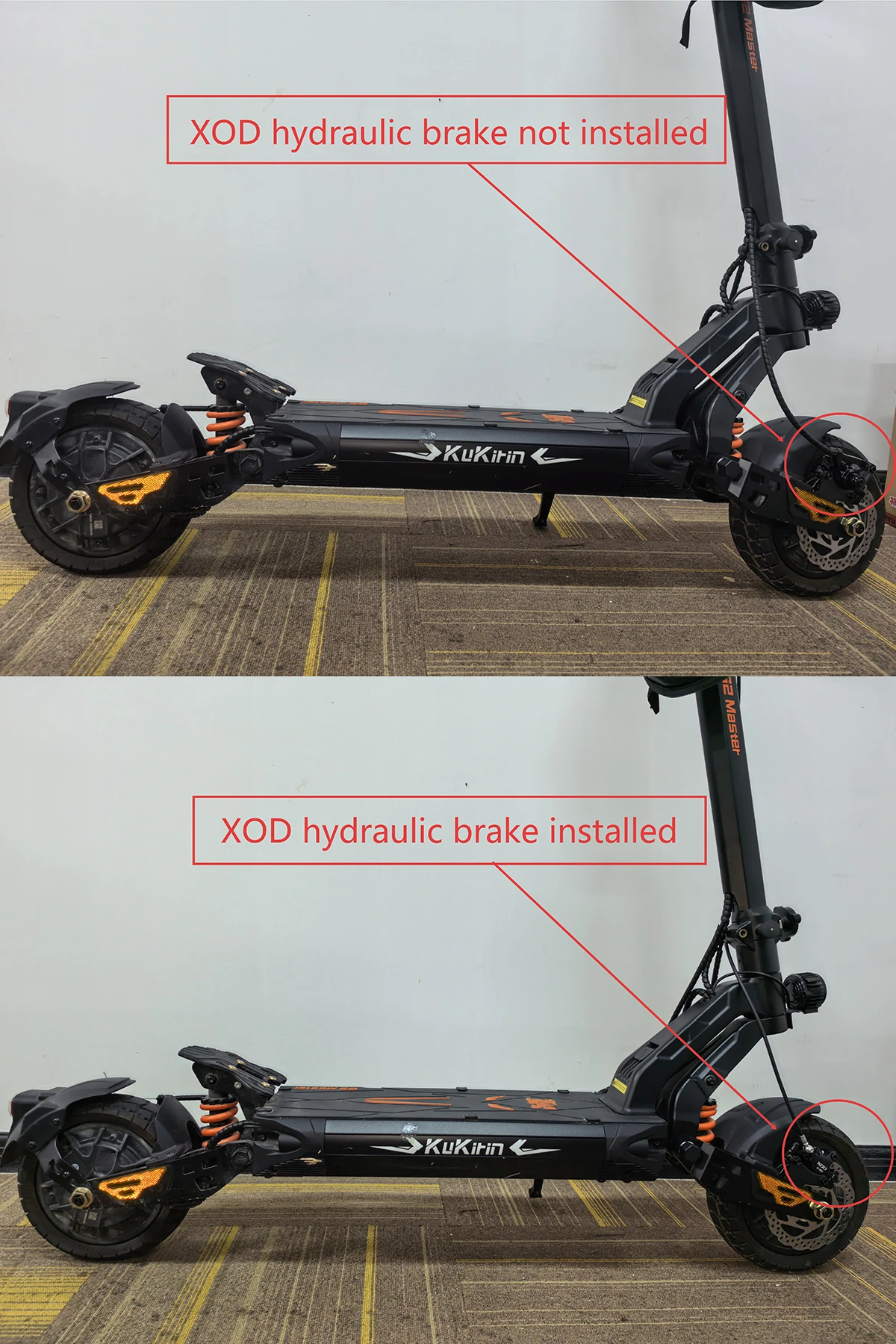
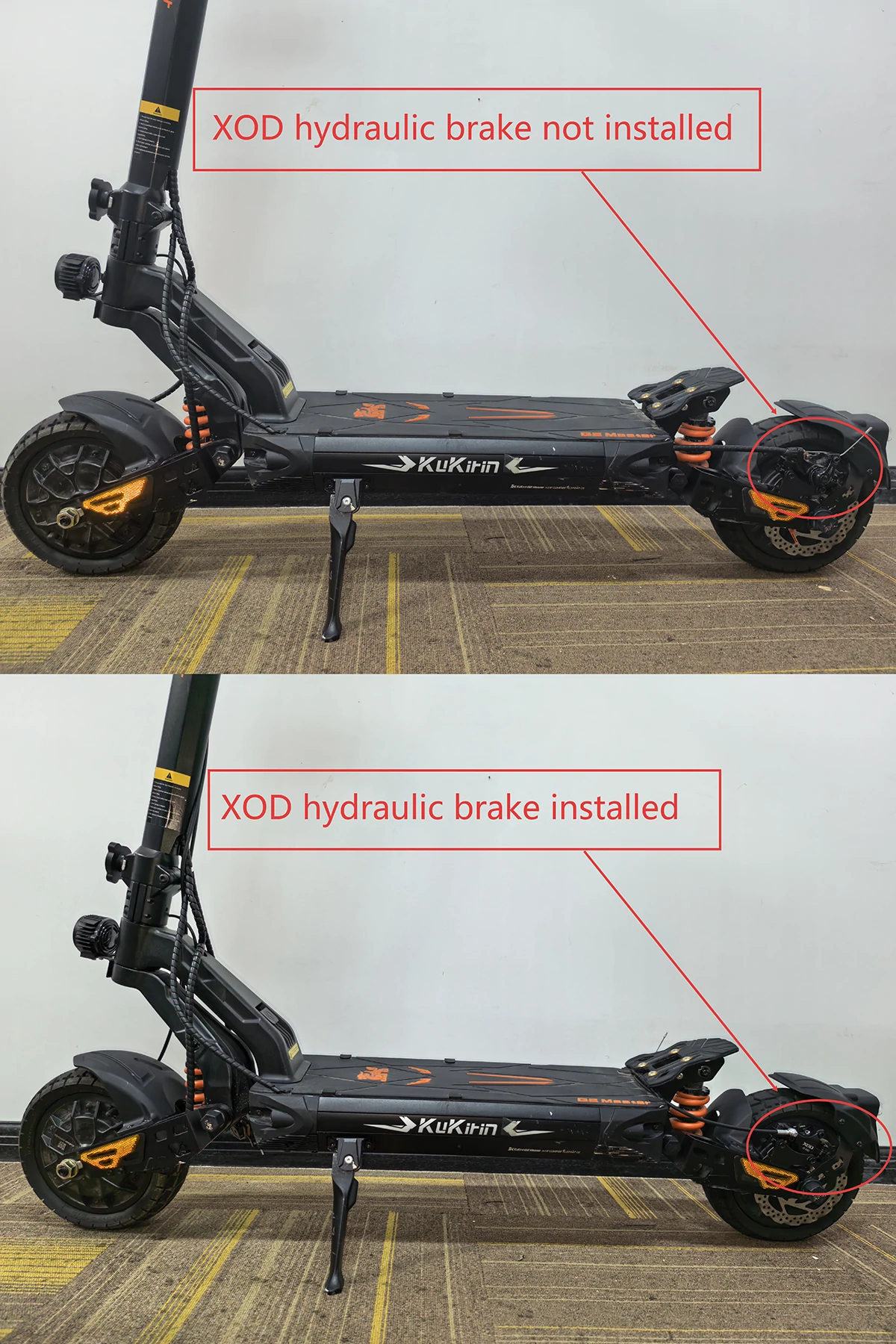
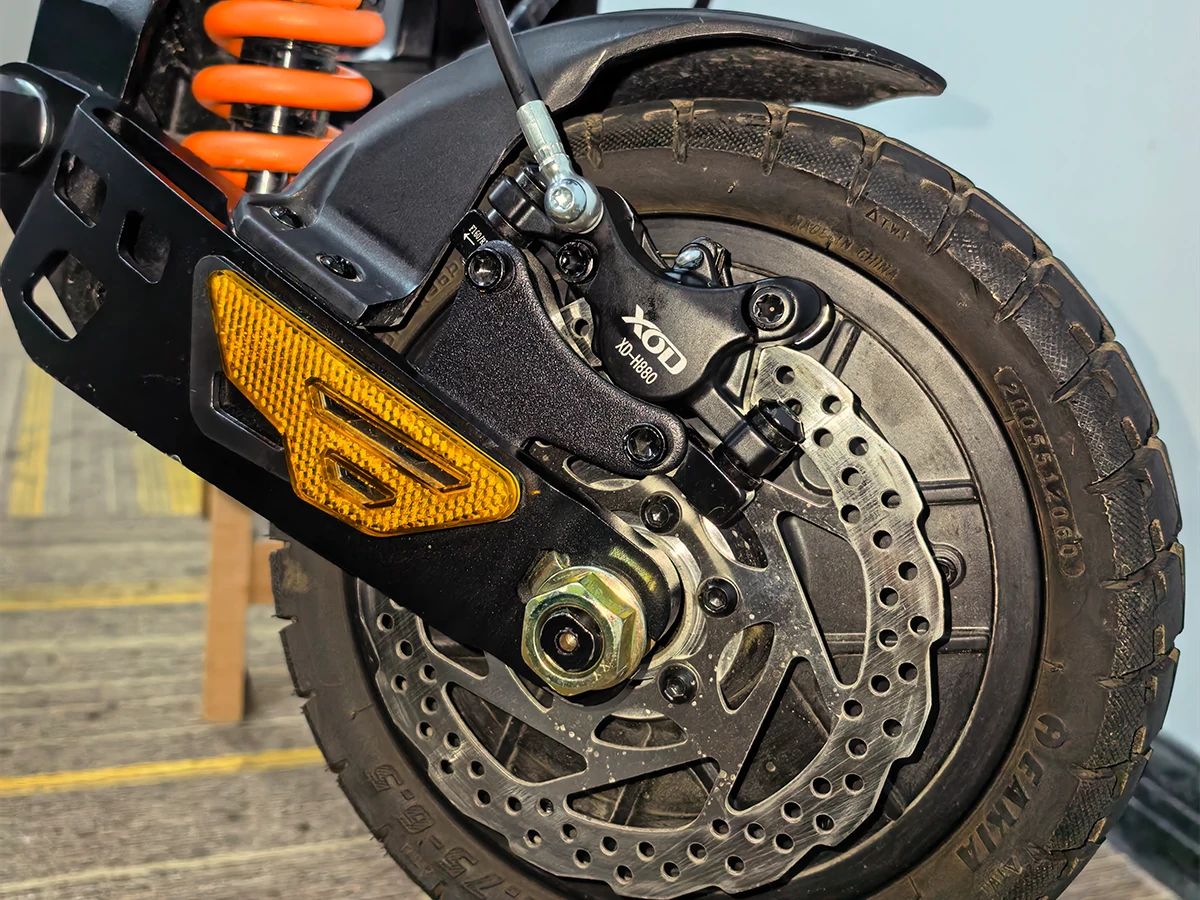
🔧 Real XOD Example: KuKirin G2 Master
On KuKirin G2 Master platforms, many riders do not say the stock mechanical brakes completely fail. The more common feeling is that the brake still works, but confidence drops over time.
That is exactly where XOD hydraulic brake upgrades make sense. The goal is not to turn every ride into a race setup. The goal is to make braking feel more stable, more predictable and easier to trust.
🧩 XOD Upgrade Decision Rule
If your mechanical brakes still feel weak after cable adjustment, brake pad inspection and rotor cleaning, the issue may no longer be simple maintenance. It may be the limit of the mechanical brake system.
At that point, XOD recommends checking hydraulic brake fitment instead of continuing to adjust the same mechanical setup again and again.
👉 If your main issue is weak braking, you can also read our weak scooter brakes guide .
👉 Check compatibility here: XOD H800 / H880 Fitment Guide .
👉 Explore upgrade options: XOD H-Series Hydraulic Brake Kits .
❓ FAQ
How does a hydraulic brake work?
A hydraulic brake uses fluid pressure to move force from the brake lever to the caliper. When you press the lever, hydraulic pressure pushes the pistons inside the caliper, forcing the brake pads against the rotor.
Is a hydraulic brake the same as a disc brake?
No. A disc brake describes the rotor-and-pad braking structure. Hydraulic describes how force is transferred. Many electric scooters use either mechanical disc brakes or hydraulic disc brakes.
Which is better for electric scooters, mechanical disc brakes or hydraulic disc brakes?
For light scooters and short rides, mechanical disc brakes can be enough. For heavier, faster or high-power scooters, hydraulic disc brakes usually provide better braking consistency and smoother control.
Are hydraulic brakes worth it for electric scooters?
Hydraulic brakes are worth considering if your scooter is heavy, powerful, used daily, or if your mechanical brakes require frequent adjustment and still feel weak.
Do hydraulic brakes need less adjustment than mechanical brakes?
Yes, hydraulic brakes do not rely on a mechanical brake cable in the same way, so they usually need less cable-style adjustment. However, they still need pad, rotor and hose checks.
Are hydraulic brakes harder to maintain?
They are not difficult to use, but they require different maintenance. You should check for pad wear, rotor condition, hose routing, lever feel and possible oil leakage.
When should I upgrade from mechanical to hydraulic brakes?
Consider upgrading when your brake lever pulls too far, stopping distance feels longer, cable adjustment becomes frequent, or your scooter is heavy, high-powered or used for demanding rides.
Do XOD hydraulic brakes fit KuKirin scooters?
XOD H-Series hydraulic brakes support many KuKirin scooter upgrades, but the correct model depends on brake disc side, caliper position, front fork structure and model year. Check the H800/H880 Fitment Guide before ordering.